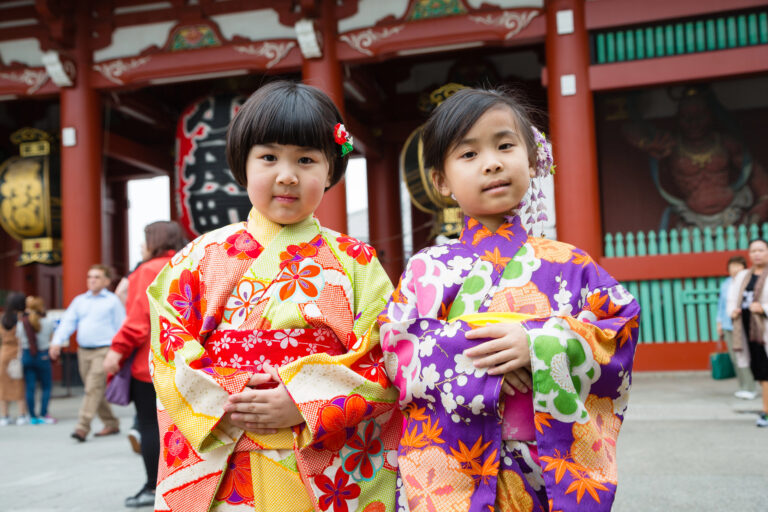
November in Japan is colourful and full of autumnal treats!
This month includes several important national holidays and cultural days. It’s a popular month for travel, and one of the best times to enjoy nature and sightseeing without summer crowds!
Whether you are visiting Japan or enjoying Japanese culture from home, here’s what November in Japan looks like:
Festivals and events in November
Culture Day (Bunka no Hi)
Culture Day or Bunka no Hi (文化の日 / ぶんかのひ) is a Japanese national holiday held on 3 November every day. It’s a day to celebrate culture, the arts and academic achievement.
Sometimes museums offer free or discounted entry on Culture Day. Various award ceremonies and exhibitions take place across the country.
Culture Day is especially widely marked in schools across Japan! Many schools hold culture festivals (bunkasai), where students showcase club activities, performances, artwork and class projects.
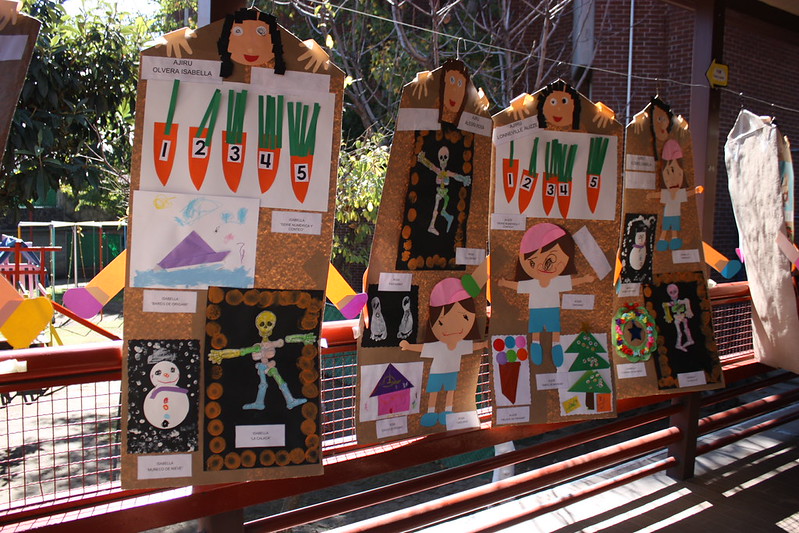
School buildings are opened to parents and local residents, who are invited to view exhibitions, plays, concerts and even small cafés put on by students. These events highlight all the work that the students have been doing and give them a chance to share their school life with their parents.
For many students they are a major highlight of the school year!
Labour Thanksgiving Day (Kinrō Kansha no Hi)
Held on 23 November, this national holiday expresses gratitude for work and workers. Originally it was linked to harvest traditions, but it now focuses on appreciation for labour and everyday effort.
Schools sometimes involve children in making thank-you gifts or notes for workers in the local community, especially public service workers like police officers and firefighters.
Due to its roots as a harvest festival, some shrines hold ceremonies on this date.
However, there aren’t many major cultural traditions attached to Labour Thanksgiving Day in Japan. Most people simply enjoy it as an extra day off.
If you’re in Japan at this time, expect increased crowds on public transport and in shops!
Shichi-Go-San
Shichi-Go-San (七五三 / しちごさん – literally 7-5-3) is a traditional celebration for children aged three, five and seven, observed on November 15.
These ages are considered important milestones in a child’s growth, and families visit shrines to pray for health, safety and continued development.
Children dress in kimono or formal outfits, and shrines can be busy with families taking commemorative photos.
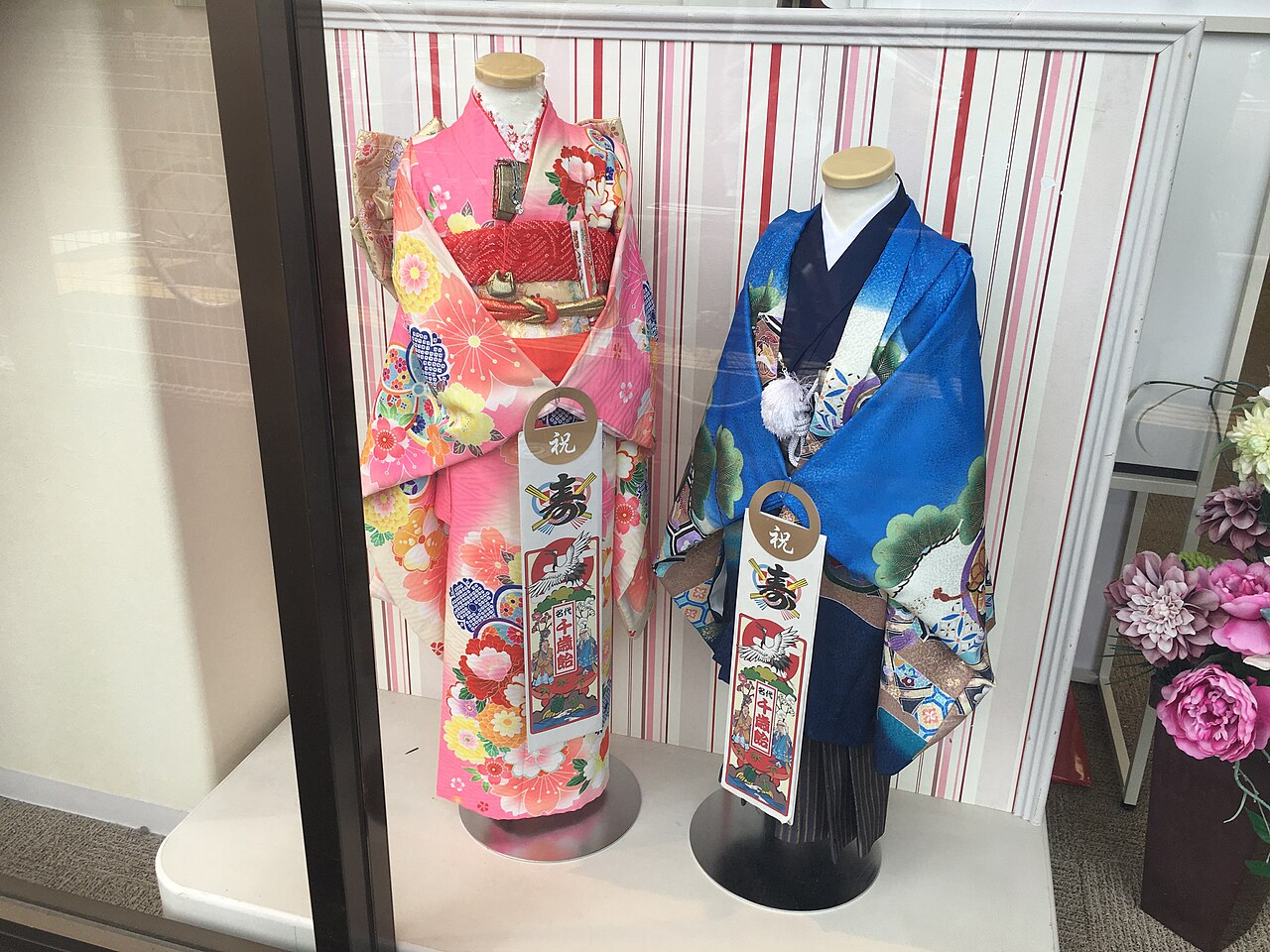

A key part of the celebration is chitose ame, long red-and-white sweets given to children as a symbol of long life and good fortune.
While the main date is 15 November, many families choose a nearby weekend for their shrine visit.
Shichi-Go-San is a visible and joyful part of the autumn season. It’s so sweet to catch a glimpse of the little children all dressed up in their traditional clothes!
Autumn leaves at their peak
In much of Honshu, November is peak season for autumn leaves. Head to parks, temples and mountains to see rich displays reds, oranges and yellows.
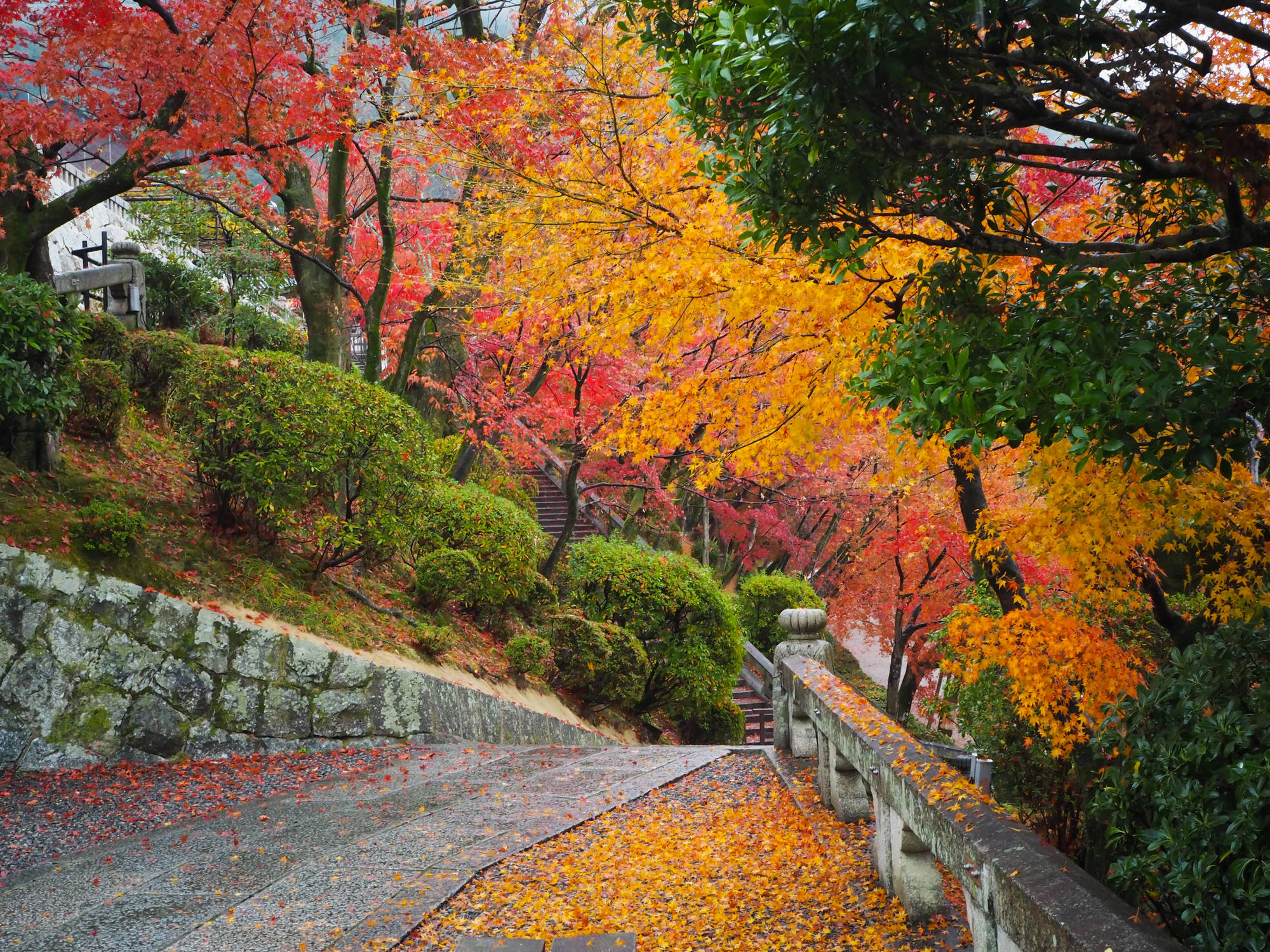
Autumn foliage viewing is a major seasonal activity, similar to cherry blossom viewing in spring.
Things to do in Japan in November
November is one of the most comfortable months for sightseeing, and it’s much less crowded. A great time to visit Japan!
- Visit temples, gardens and mountains for peak autumn foliage.
- Explore museums and galleries around Culture Day.
- Enjoy seasonal foods such as mushrooms, persimmons and roasted sweet potatoes.
- Take scenic walks or hikes to make the most of the cooler weather.
- Attend a shrine visit for Shichi-Go-San and observe the celebrations.
- Many autumn/harvest festivals are still taking place in November – this is location-dependent.
What is the weather like in November in Japan?
November is cool and pleasant across most of Japan. Tokyo and central regions usually range from 10 to 18°C (50 to 64°F). Northern areas are colder, while southern regions remain mild.
A light coat or jacket is useful, especially in the evenings, along with layers for daytime sightseeing.

Learn the essential Japanese you need for your trip with this FREE Absolute Beginner course. Start with simple greetings, useful phrases and everyday Japanese, even if you've never studied Japanese before.
Japanese activities to try at home in November
November is well suited to autumn-focused activities.
- Watch an autumn foliage video or virtual walk through a Japanese garden.
- Cook a Japanese autumn dish using mushrooms or sweet potatoes. Takikomi gohan (mixed vegetable rice) is a popular one.
- Learn about Shichi-Go-San and look at shrine visit photos or short videos.
- Visit a local museum or gallery in the spirit of Culture Day.
- Learn some Japanese autumn words.
- Practise writing the kanji for 7, 5, 3 (七五三) – kanji numbers printable here.
- Craft idea for children: make your own chitose ame bag. Try decorating it with the kanji 七五三 (753) or the hiragana ちとせあめ (chitose ame).
Useful Japanese vocabulary for November
- Bunka no Hi (文化の日 / ぶんかのひ) – Culture Day
- bunkasai (文化祭 / ぶんかさい)- culture festival
- Kinrō Kansha no Hi (勤労感謝の日 / きんろうかんしゃのひ) – Labour Thanksgiving Day
- Shichi-Go-San (七五三 / しちごさん) – children’s shrine celebration
- kōyō (紅葉 / こうよう) – autumn leaves
- momiji (紅葉 / もみじ) – maple leaves
- aki (秋 / あき) – autumn
- kaki (柿 / かき) – persimmon
- yakiimo (焼き芋 / やきいも) – roasted sweet potato
- jinja (神社 / じんじゃ) – shrine
- shūgaku (収穫 / しゅうかく) – harvest
Related posts
Learn the essential Japanese you need for your trip with this FREE Absolute Beginner course. Start with simple greetings, useful phrases and everyday Japanese, even if you've never studied Japanese before.
Rebecca is the founder of Team Japanese. She spent two years teaching English in Ehime, Japan. Now back in the UK, she spends her time blogging, self-studying Japanese and wrangling a very genki toddler.