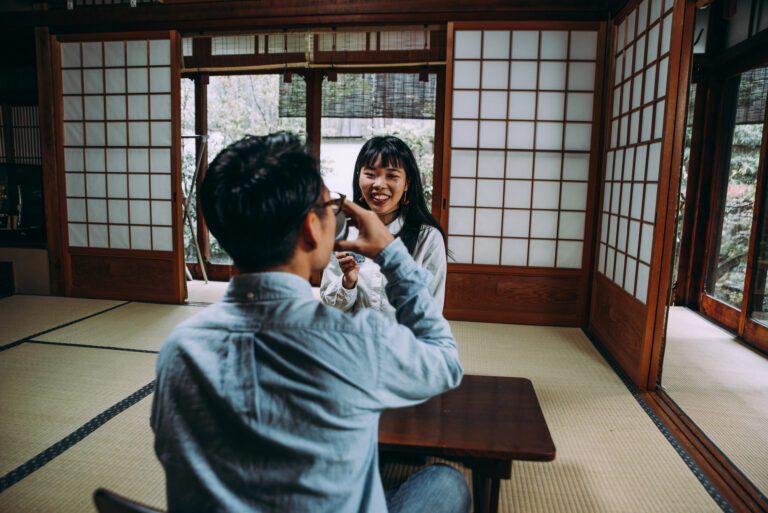
Being invited into someone’s home is a lovely way to experience Japanese culture firsthand, beyond the tourist attractions!
Japan is a country of strong, long-standing traditions and customs. This is of course true not only out in public spaces, but also in one’s home.
It is not that there are strict rules per se, but rather certain habits that Japanese people tend to abide by when it comes to visiting a home.
It’s mostly general politeness and common sense, so there is no need to fret. Plus, if you are not a native, you won’t be expected to know all of the ins and outs of these habits. As long as you are considerate and respectful of another person’s space, you will make a wonderful guest!
That said, here are some essential customs and etiquette that it’s worth familiarising yourself with before visiting a Japanese home:
Shoes
The first thing that comes to mind when entering someone’s house in Japanese is the ‘no indoor shoe’ culture!
Depending on where you are from, it may be normal to wear outdoor shoes in the house, either for lounging around or even just for a quick second if you forgot to grab something on your way out.
Although I previously said that there are no strict ‘rules’, the no-shoe custom is the closest to a concrete rule.
It’s not just in homes either: most schools, shrines or temples and traditional restaurants operate in the same way.
It’s possible that this stems from traditional Japanese beliefs of uchi (内 / うち) and soto (外 / そと), differentiating ‘inside’ and ‘outside’, respectively. Though it is likely also to avoid tainting the clean indoors with dirty outdoor shoes.
You should take off your shoes in the genkan (entrance) and place them down neatly, with toes facing the front door.
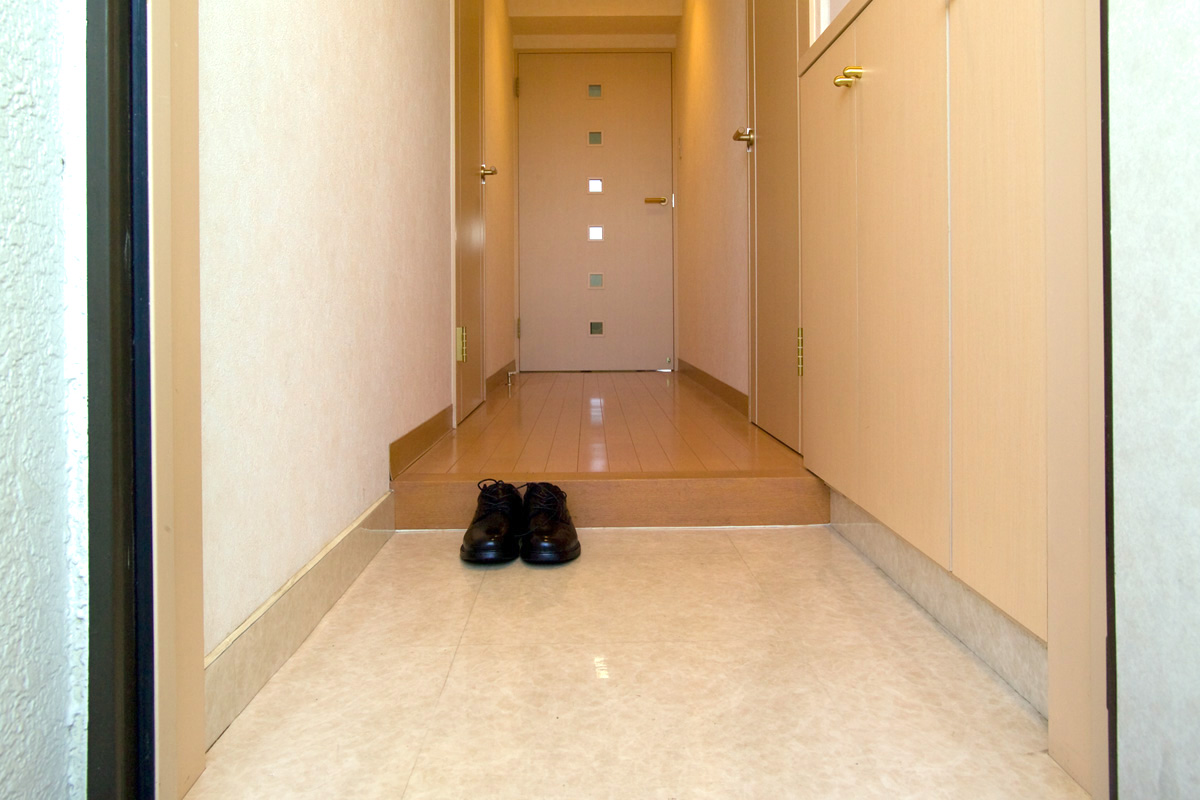

Your host will likely have a pair of house slippers to offer you, but if not it’s fine to just walk around in your socks, provided they are clean!
Slippers
Even past the threshold of the genkan, within the house itself there are more footwear-related customs depending on which room you are in!
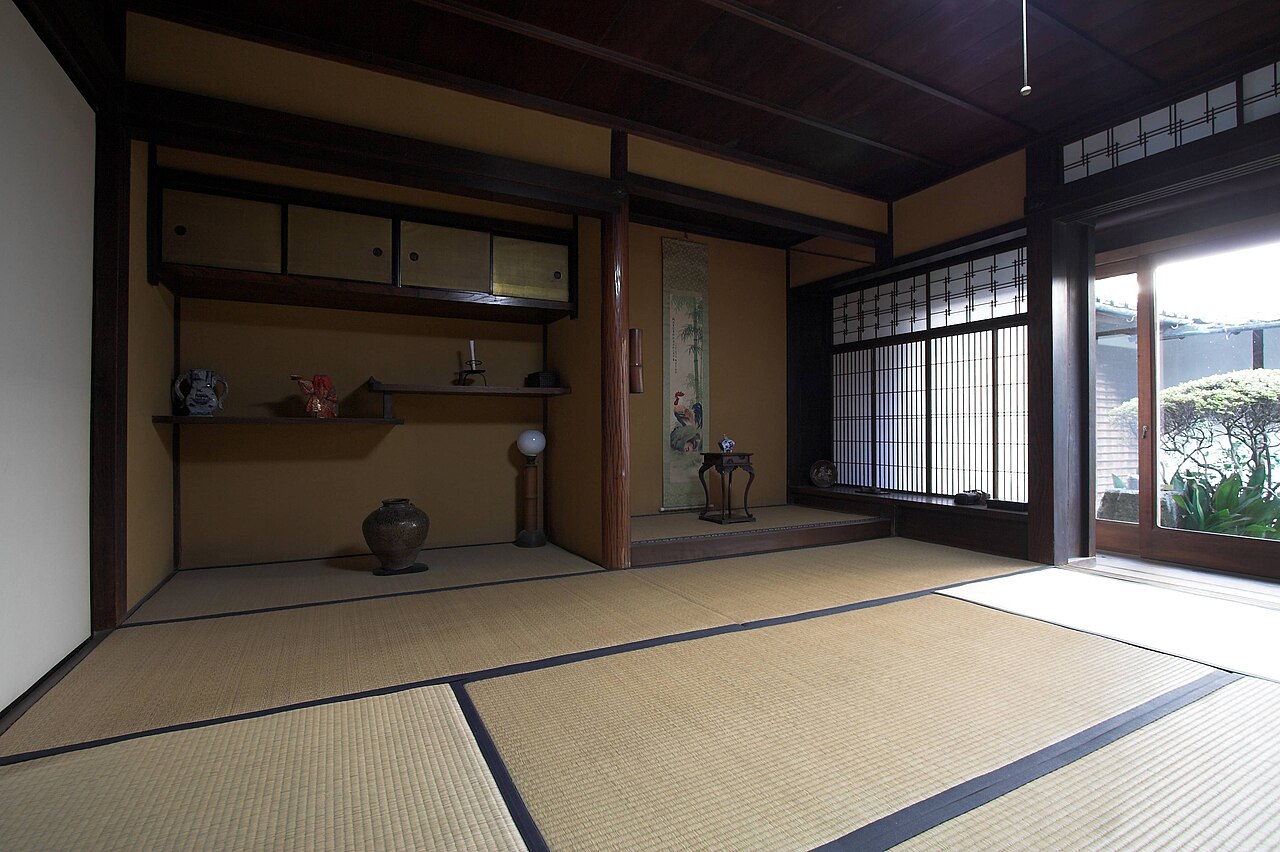
If you are entering a room with tatami flooring, you should take off your house slippers as they may damage the delicate natural material. Socks or barefoot are more suitable.

When you are entering the toilet, you should again remove your house slippers. Most households will have a special pair of toilet slippers just inside the door which you can wear while using the bathroom. Just don’t forget to switch back after!

.jpg)
Be punctual
Japanese people are pretty renowned for their punctuality.
You know the saying ‘time is money’! Well, while it may not necessarily be in the literal sense, people’s time is valuable, and so being on time is simply a sign of respect. Being late or even overly early may cause the host trouble.
Don’t show up unexpected
Showing up unexpectedly is one of those things that may cause an inconvenience to your host, similarly to showing up late.
Of course, it depends on your relationship with the person you are visiting, but generally Japanese people prefer to have a home visit planned in advance. This is beneficial so that they can properly prepare the house and perhaps some refreshments for their visitor.
They also may have prior engagements, and showing up unannounced would disrupt their plans.
Don’t show up empty handed
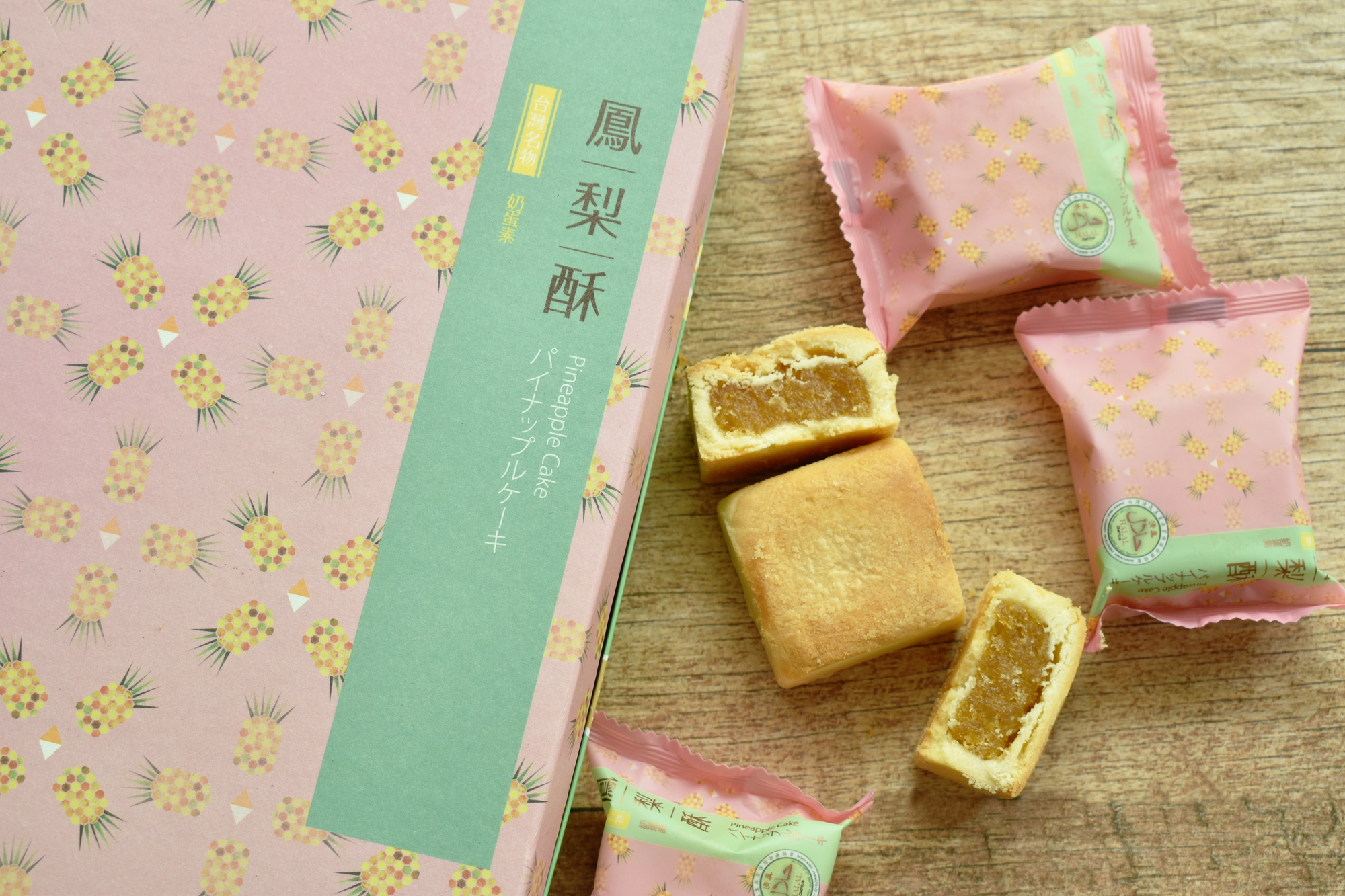
Again, not so much a strict rule, but it is seen as a kind gesture to bring a small gift for the host. This gift is referred to as temiyage (手土産 / てみやげ).
Guests would generally bring nicely packaged food items such as a box of biscuits, tea or seasonal fruits. Something which you could indulge in together during your visit would be a lovely idea.
Some more general etiquette
There are some more general customs to be mindful of during your visit. These practices are not specific to visiting a Japanese home, but rather general mindfulness as a guest.
- Refrain from nosing around your host’s house, unless you have been invited to do so. You may be curious to see what they have in their cabinets or various rooms, but wait for them to give you a tour!
- If you can, it’s polite to accept food or beverages offered. It’s nice to sit and have a cup of tea and snack together, especially if the host has specially prepared something for you.
- Don’t overstay your welcome! Try and pay attention to the natural end of your stay and find the sweet spot so as to not cut your stay too short nor overstay.

Learn the essential Japanese you need for your trip with this FREE Absolute Beginner course. Start with simple greetings, useful phrases and everyday Japanese, even if you've never studied Japanese before.
Related posts
- 14+ Basic Japanese Greetings You’ll Use Every Day
- Japanese Etiquette Guide: Essential Do’s and Don’ts
- How to Use a Japanese Toilet

Hannah is a half Irish/half Japanese girl living in Ireland. Her love for Japan and the Japanese language led her to studying languages and translation in university where she specialised in Japanese. She spent a year studying abroad at Rikkyo University in Tokyo. In her free time, Hannah enjoys using her sewing machine to upcycle clothes and create new pieces!