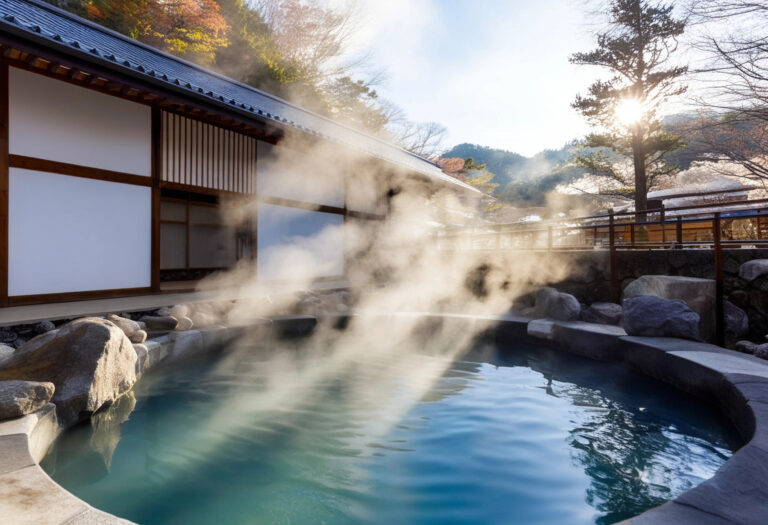
If you are a fan of visiting saunas, steam rooms or jacuzzis as a way to wind down and soothe your body, you should definitely consider visiting an onsen in Japan!
Though similar, visiting a Japanese onsen is a rather unique experience and you may be in for quite the culture shock if you do not know what you are getting into!
As bathing in onsen is a tradition so deeply rooted in Japanese culture, there are many rules and customs which you should adhere to so as to have the best bathing experience.
Here’s a look at exactly how to visit an onsen in Japan, including essential rules and etiquette tips for visitors.
What is an onsen ?
An onsen (温泉 / おんせん) is a natural hot spring you can bathe in. They can be found all across Japan due to its geographical location on the Pacific Ring of Fire.
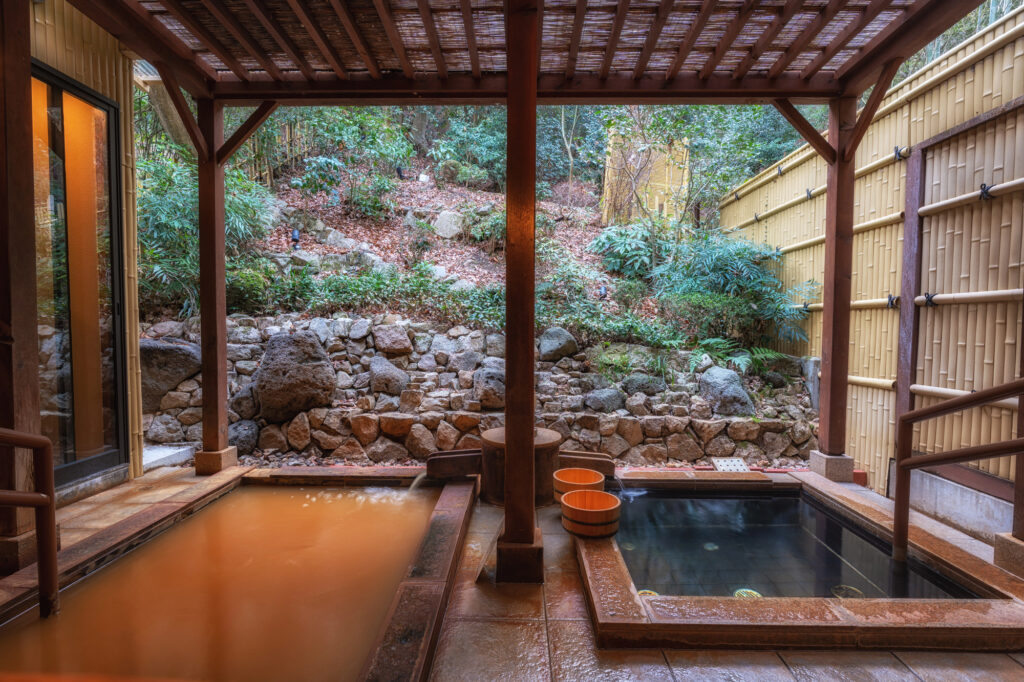
Onsen can be enjoyed both indoors or outdoors.
The typical temperature of the water is between 38-41 degrees celsius (100-106 F), and the water is jam packed with body-nourishing minerals.
Bathing at onsen is a long standing tradition in Japan and survives to this day due to its proven health benefits and relaxing properties.
The mineral-rich water can aid in muscle recovery, promote blood circulation, and of course help you to de-stress.
Speaking from experience, you are also likely to have the best sleep of your life after a good long soak in an Onsen!
Other than the health benefits, visiting an onsen is also a social experience, and a common activity to partake in if you are travelling or enjoying quality relaxation time with friends or family.
Basic rules and etiquette for visiting an onsen
An onsen is quite different from a public pool or jacuzzi, so before you decide to visit, let’s look at some of the basic rules.
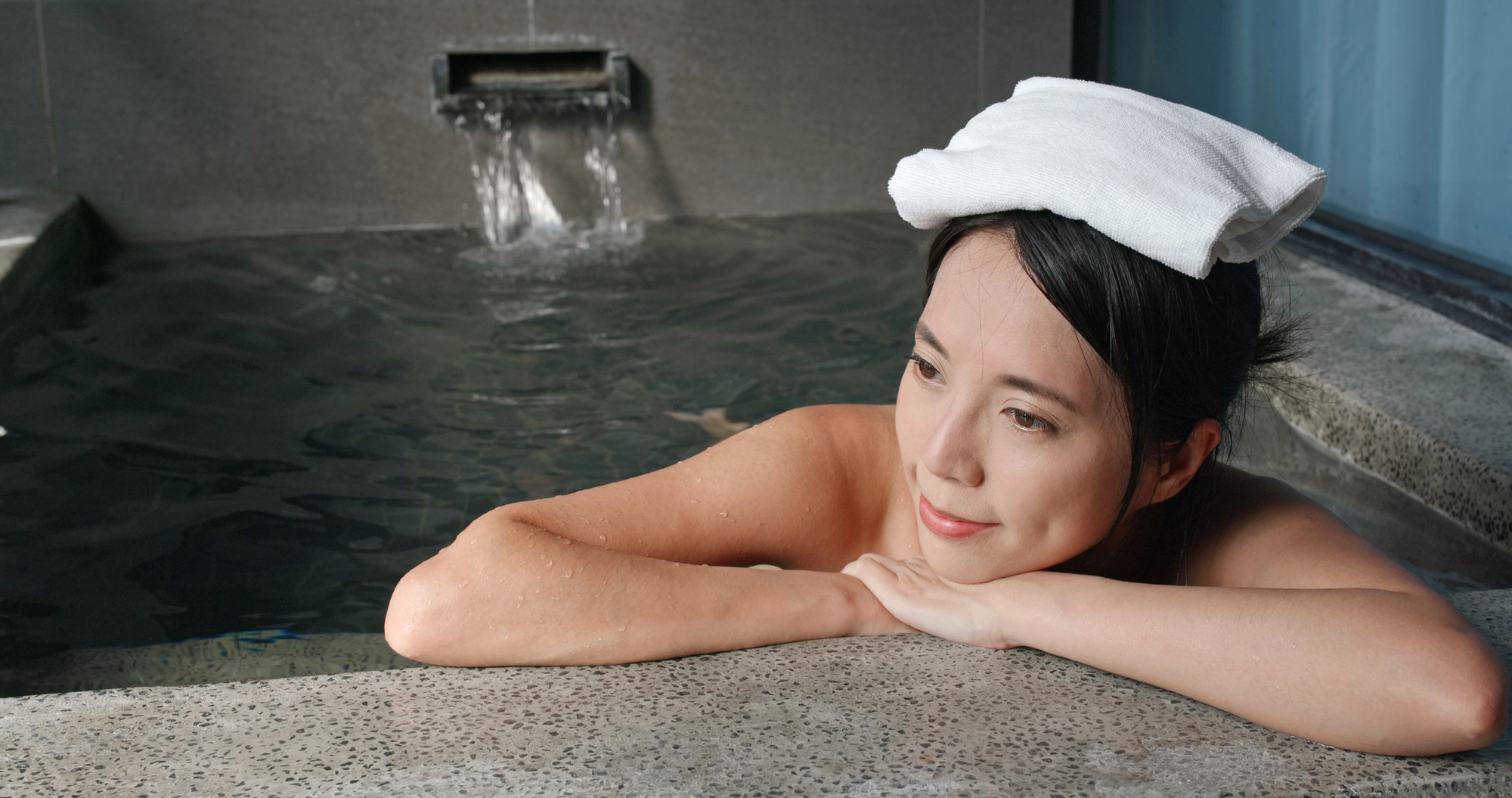
- Onsen usually require full nudity. This is the main element of culture shock for many foreigners! Be prepared to enter in your birthday suit, and don’t be shy – it’s completely normal in Japan and nobody is looking! You can carry a small towel with you to cover up while walking around, but towels must not go in the water. The traditional way is to balance it on your head when you enter the bath, but you can also leave it neatly on the side.
- Due to the full nudity aspect, baths are usually separated by gender. You can find mixed-gender baths, though they are not common. However, if you want to bathe with your partner of the opposite sex without naked strangers, some establishments offer bookings for private sessions.
- Many onsen do not allow tattoos. This is due to the social stigma still felt across Japan today. Tattoos are strongly associated with yakuza and organised crime. Some establishments may make exceptions to accommodate tourists, including providing skin coloured sticky patches to cover them up. To avoid disappointment, it’s best to check tattoo policies before you visit.
- The onsen is a place for quiet relaxation. You can have a chat with those around you but be mindful of the volume. On top of that, definitely no swimming or splashing around in the water!
- For obvious reasons, smartphones and cameras are not allowed.
How to use an onsen in Japan
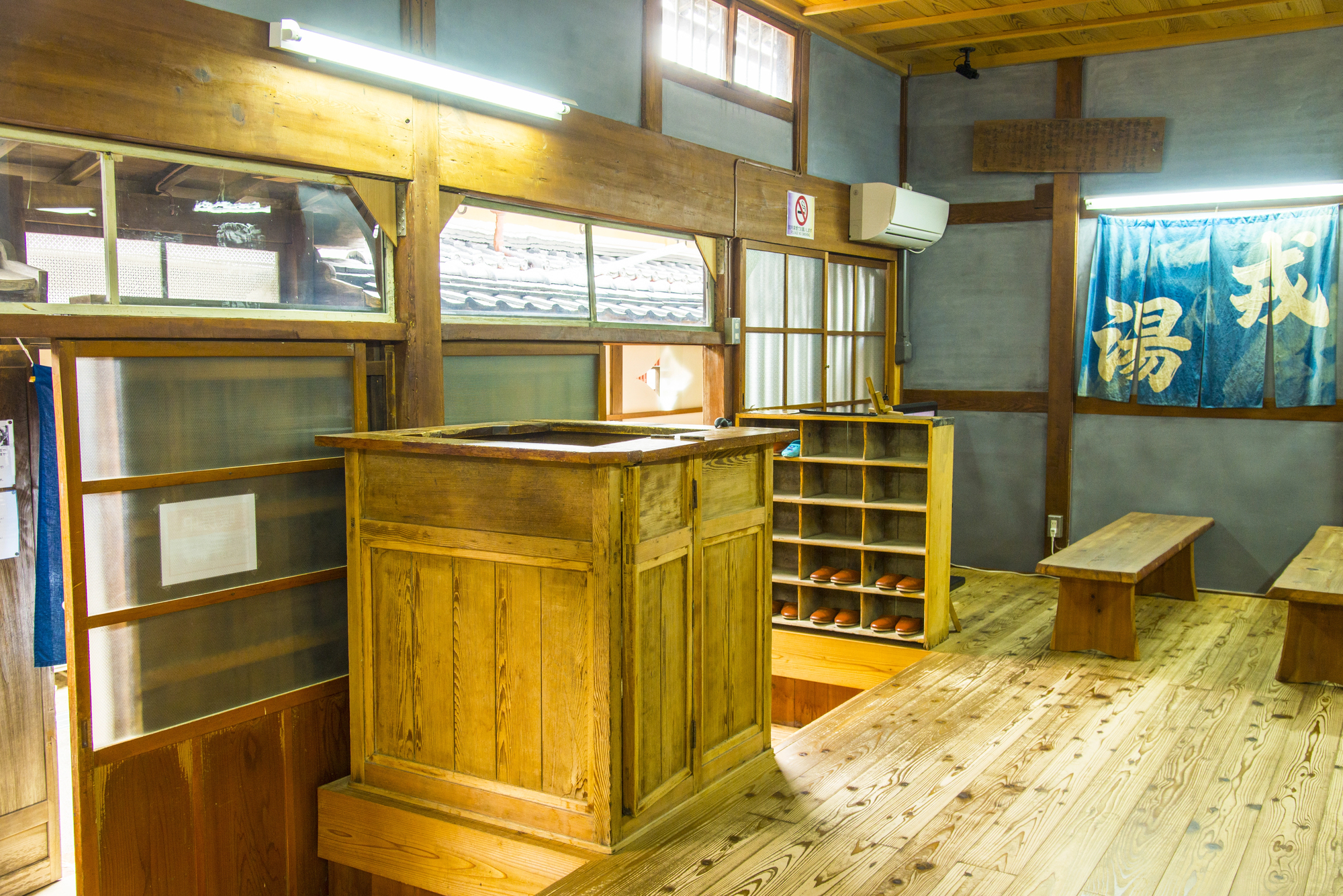
- When you first enter the onsen building, take your shoes off! Look for cubbies or lockers to store them in. Go to the front desk to pay and collect your towel. Some places charge a rental fee for towels. Sometimes there is a vending machine for tickets.
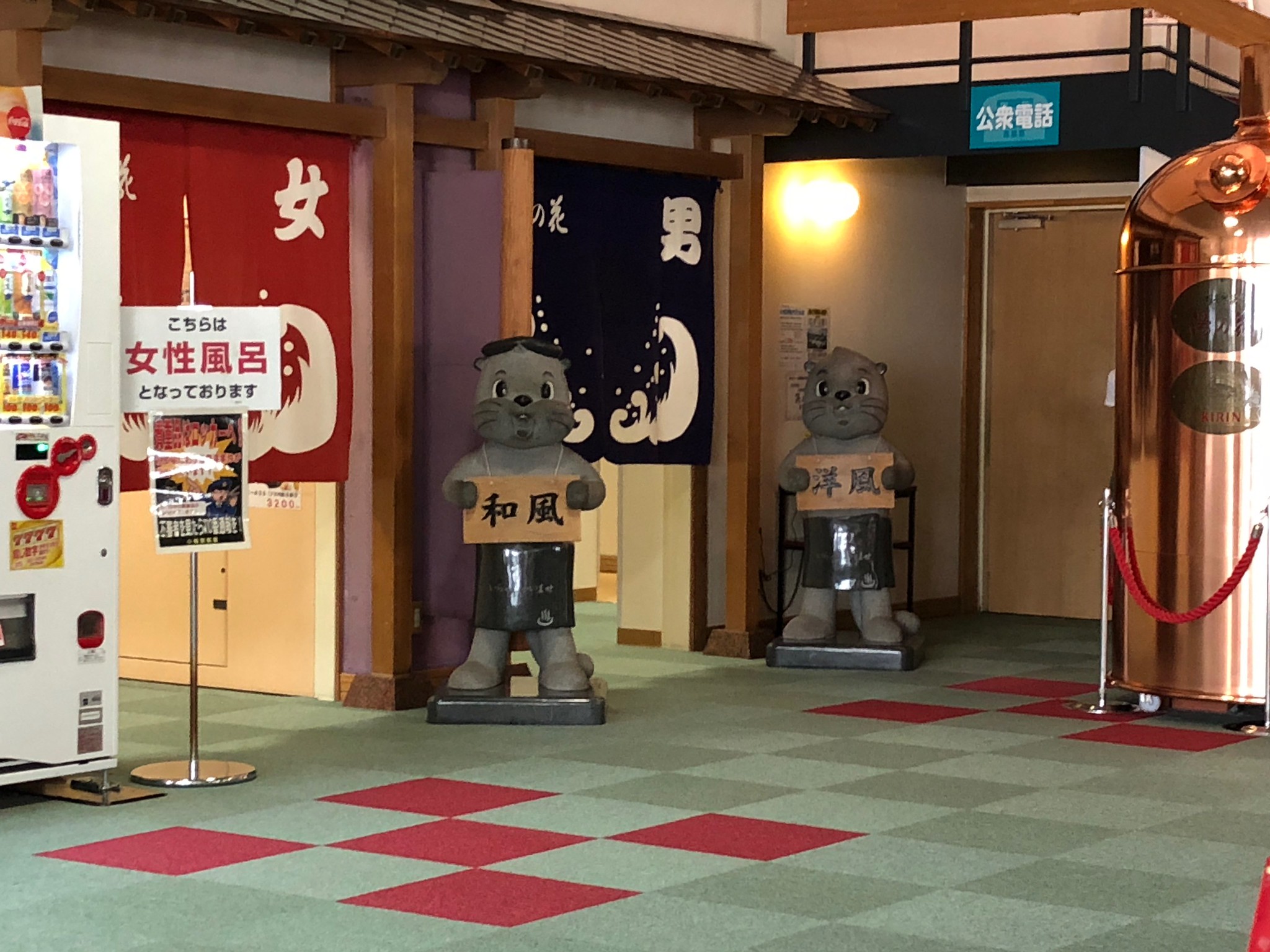
2. Upon entering the onsen, there will likely be two curtained entrances to each dressing room. The red curtain with the character 女 is the women’s, while the blue curtain with the character 男 is for men.
3. Onsen baths are for soaking and relaxing, not washing! You need to clean yourself before you get in the bath, so you don’t contaminate the water.
After undressing and leaving your belongings in a locker in the changing room, grab your towel and head to the bathing area. There will be small stools in front of shower heads where you must wash properly before entering the bath.
This step offers peace of mind to you and those around you that you are not sharing dirty bath water!

Shampoo, body soap and other products may or may not be provided. It’s ok to take your own products in – just leave them discretely out of the way when you’ve finished showering. Sometimes small plastic baskets are provided to carry your products in.
4. There may be multiple baths, and you can move freely between them. The baths may have different mineral contents and temperatures. Sometimes, the water can look cloudy or coloured because of the minerals!
Sometimes there are screens or thermometers showing the temperature of each bath. This is useful to pay attention to if you are pregnant or have a health condition that could be exacerbated by heat.
5. When you have had enough, make sure not to rinse off when exiting the onsen! Rinsing immediately would wash away all of those good minerals. Unless your skin feels irritated, it’s recommended to let the minerals seep into your skin to reap the benefits.
Visiting an onsen is a really special experience. Although it can be daunting if you are not accustomed to bathing naked with strangers, it is such a unique experience that you should definitely give a try at least once.
You may even find yourself so relaxed that you forget about anything else around you!
Key onsen-related vocab
| English | Kanji | Hiragana | Romaji |
| Hot spring | 温泉 | おんせん | onsen |
| Public bathhouse | 銭湯 | せんとう | sento |
| Bath (tub) | お風呂 | おふろ | ofuro |
| Open-air bath | 露天風呂 | ろてんぶろ | rotenburo |
| Indoor bath | 内風呂 | うちぶろ | uchiburo |
More useful posts
- Japanese Etiquette Guide: Essential Do’s and Don’ts
- 30+ Basic Japanese Phrases for Travelers to Japan
- Did You Know These Japanese Food Etiquette Rules?

Hannah is a half Irish/half Japanese girl living in Ireland. Her love for Japan and the Japanese language led her to studying languages and translation in university where she specialised in Japanese. She spent a year studying abroad at Rikkyo University in Tokyo. In her free time, Hannah enjoys using her sewing machine to upcycle clothes and create new pieces!