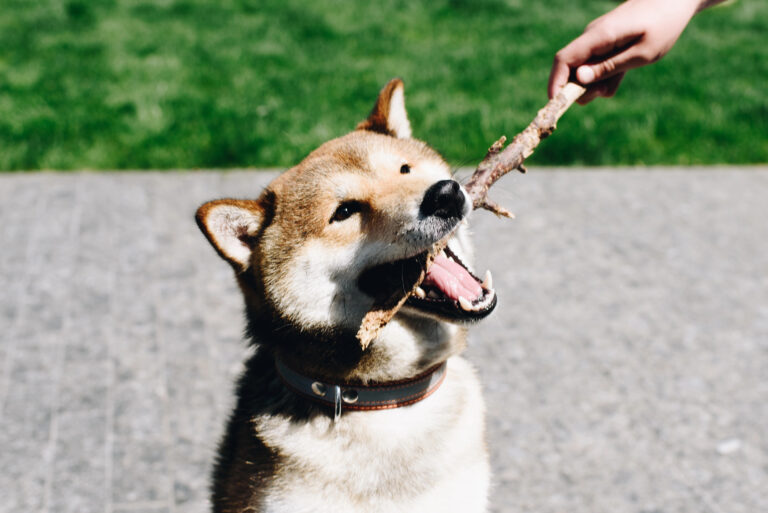
Pet culture in Japan has developed in recent years to become a truly interesting thing! As the birth rate slows, many adults opt for a ‘fur baby’ to fulfil their paternal instincts.
On my most recent trip to Japan, there were countless times where I spotted a pram in a restaurant and upon taking a peek inside and expecting to see a smiling baby — discovered it was a tiny puppy, often clothed and sometimes even wearing little shoes!
This rise could be attributed to Japan’s strict working culture. With such an emphasis on performing well in your company and committing countless hours of overtime to please higher ups, raising an actual child seems almost impossible.
Although still requiring a certain amount of care, dogs and cats are much more independent, and an equally adorable alternative.
If you’re a pet lover, let’s learn how to talk about pets in Japanese!
Names of common pets in Japanese
| English | Kanji / Katakana | Hiragana | Romaji |
| Dog | 犬 | いぬ | inu |
| Cat | 猫 | ねこ | neko |
| Goldfish | 金魚 | きんぎょ | kingyo |
| Bird | 鳥 | とり | tori |
| Rabbit | 兎 | うさぎ | usagi |
| Guinea Pig | モルモット | もるもっと | morumotto |
| Hamster | ハムスター | はむすたー | hamusutaa |
| Horse | 馬 | うま | uma |
| Turtle | 亀 | かめ | kame |
| Snake | 蛇 | ヘビ | hebi |
| Lizard | トカゲ | とかげ | tokage |
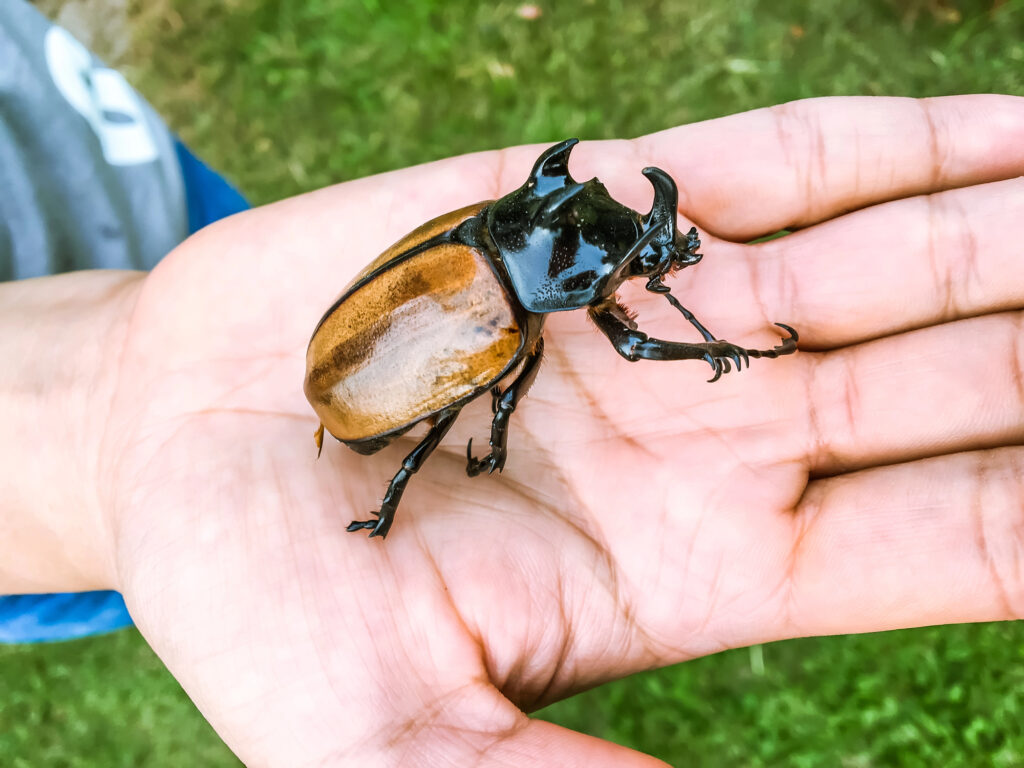
| Rhinoceros beetle | カブトムシ | かぶとむし | kabuto mushi |
Did you notice? One of these pets is not like the others!
The rhinoceros beetle is a super common pet in Japan, especially among school-aged boys!
At the start, these beetles would have been caught in the wild and kept as pets. However, nowadays they can be found in pet stores, and can even be purchased as a larva and raised from a grub to an adult.
They are kept in little terrariums and fed a special beetle jelly from pet shops or fruit. Unfortunately, these critters only live for about 3 months to a year at most, plus they’re not all that cuddly…
Pet-related words in Japanese
Here’s some more useful vocabulary for talking about pets in Japanese:
| English | Kanji / katakana | Hiragana | Romaji |
| Animal | 動物 | どうぶつ | doubutsu |
| Pet | ペット | ぺっと | petto |
| To have/keep (a pet) | 飼う | かう | kau |
| Do you have a pet? | ペットを飼っていますか | ぺっとをかっていますか | petto wo katteimasu ka |
| How many pets do you have? | ペットが何匹飼っていますか | ぺっとがなんびきかっていますか | petto ga nanbiki katteimasu ka |
| I have (number) pets | ペットは(number)を飼っています | ぺっとは(number)をかっています | petto wa (number) wo katteimasu |
| What is your pet’s name? | ペットの名前は何ですか | ぺっとのなまえはなんですか | petto no namae wa nan desu ka |
| Pet food | 餌 | えさ | esa |
| To feed (pets with pet food) | (餌を)やる | (えさを)やる | (esa wo) yaru |
| Pet shop | ペットショップ | ぺっとしょっぷ | petto shoppu |
| Veterinarian | 獣医 | じゅうい | jyuui |
| Animal hospital | 動物病院 | どうぶつびょういん | doubutsu byouin |
| Toys | おもちゃ | おもちゃ | omocha |
| Treats | おやつ | おやつ | oyatsu |
| Walk | 散歩 | さんぽ | sanpo |
| Bath | お風呂 | おふろ | ofuro |
| Command / training | しつけ | しつけ | shitsuke |

Counter for pets in Japanese
As you may know by now, counting is a notoriously tricky thing in the Japanese language!
As most pets tend to be small, the counter hiki (匹 / ひき) for small animals is usually used.
Here’s how to count up to ten small animals in Japanese. Note that the pronunciation can change from hiki to piki or biki for better articulation, depending on the sound before it.
| Kanji (hiragana) | Romaji | English |
| 一匹 (いっぱき) | ippiki | one (small animal) |
| 二匹 (にひき) | nihiki | two |
| 三匹 (さんびき) | sanbiki | three |
| 四匹 (よんひき) | yonhiki | four |
| 五匹 (ごひき) | gohiki | five |
| 六匹 (ろっぴき) | roppiki | six |
| 七匹 (ななひき / しちひき) | nanahiki / shichihiki | seven |
| 八匹 (はちひき / はっぴき) | hachihiki / happiki | eight |
| 九匹 (きゅうひき) | kyuuhiki | nine |
| 十匹 (じゅっぴき / じっぴき) | juppiki / jippiki | ten |
For bigger animals like a pet horse we would use the counter tou (頭 / とう).
For a full rundown, make sure to check out our post about counters!
Example:
inu wa sanbiki wo katteimasu
犬は三匹を飼っています
いぬはさんびきをかっています
I have three dogs
Pet cafes in Japan
In Japan, there is also a recent rise in the phenomenon of ‘pet cafes’! They can range from cat cafes to pig cafes to exotic animal cafes.
Unlike a traditional cafe, coffee or tea is often an afterthought. The real reason people come and pay money is to spend time petting and feeding the animals.
These cafes draw in a lot of tourists due to their uniqueness, however many Japanese people also partake in visiting!
In big cities like Tokyo, a big percentage of the population live in apartments, often cramped and without green space. Many landlords also do not allow tenants to keep pets, so these pet cafes are a perfect place to get your fix of animal love!
Here’s a walkthrough of what it’s like visiting a bunny cafe in Tokyo:
Related posts
- How to Say Cat in Japanese (+ More Cute Japanese Cat Words!)
- How to Say Dog In Japanese {Total Guide to Japanese Dog Vocabulary}
- 19+ Cute And Surprising Animal Sounds In Japanese (Nyaa-Nyaa!)

JapanesePod101 is our top recommendation to learn Japanese online. We love the fun, current audio lessons and interactive online tools. Sign up for your free lifetime account and see for yourself!

Hannah is a half Irish/half Japanese girl living in Ireland. Her love for Japan and the Japanese language led her to studying languages and translation in university where she specialised in Japanese. She spent a year studying abroad at Rikkyo University in Tokyo. In her free time, Hannah enjoys using her sewing machine to upcycle clothes and create new pieces!